

An ECI Conference Series

July 4 - 8, 2027
Davos, Switzerland
Please take a few minutes to complete the following steps:
1. Follow the ECI LinkedIn company page
Stay connected to broader ECI conference news and announcements.
https://www.linkedin.com/company/eciconferences/
2. Follow the Micro- and Nanoplastics in Water: Engineered Solutions LinkedIn Page
https://www.linkedin.com/showcase/micro-nano-plastics-in-water/
3. Let others know you will be attending the event
https://www.linkedin.com/events/7481351034515361792/
About This Conference
The conference will focus on engineered-solutions for mitigating plastic pollution, with particular emphasis on approaches for drinking and wastewater systems. This will include sludge and solid waste management strategies as well as lifecycle costs and environmental impacts. Key topics will include standardizing analytical methods and source control, reflecting the widespread presence of microplastics in water.
Typical of ECI conferences, this conference will be highly interdisciplinary attracting academics, governments, regulatory agencies, plastic industries, SMEs, financial institutions, medical professionals, and NGOs. The focus of this conference on engineered-solutions evolved from ECI’s “2025 Micro-Nano Plastics in Water: Characterization, Cure and Prevention” where health impacts were presented by medical professionals in the keynote address and invited talks in the context of an engineering-centered conference. Health effects will be addressed at this conference including possible impacts on gut microbiome and translocation of plastics in organisms.
Based on the participant post-conference survey, it became evident that there should be an opportunity for emerging researchers that will include presentations and posters by these participants as well as a workshop on career perspectives.
The organizers envision some table displays from equipment developers/producers, which efforts are critical in the development of rapid and standardized methods. This availability of equipment developers/producers would engender discussions among the conference participants.
The conference will have an additional hands-on event for those who wish to examine various techniques for microplastics measurement and/or treatment/recovery/reuse as would be available from the equipment developers/producers.
Importantly, the conference will focus on outcomes, including those we can expect which are already proceeding as well as a timeline and possible agenda for others which the participants deem important.
The conference anticipates approximately 80 participants, which number emerges from ECI’s long-standing and successful business model incorporating presentations and posters, with ample time for interactions. This format serves well the deliberations between academic researchers and the regulatory, engineering, and operational communities, the plastic industry, trade organizations and those who as part of the circular economy may employ MNP in other products.
Please join ECI’s “Micro-Nano Plastics (MNP) in Water: Engineered-Solutions” conference to provide a high-quality environment to address this important topic in Davos.
Conference Organization
Conference Chairs

David Hunkeler
Aqua+Tech
David is the Director of AQUA+TECH Specialties in Switzerland. The company, in its 29th year, develops, produces and markets water treatment solutions to five continents. It was selected as the top environmental company in Europe and David was Switzerland’s entrepreneur of the year. David has written eleven books, including Water: Resource-Stewardship-Treatment, and this is the fifth ECI conference that he has organized. He also has created three charities which support over 170 people as well as biomedical research.

Kati Bell
Hazen and Sawyer
Dr. Kati Bell is a Vice President with Hazen and Sawyer and Global Director of Technology and Innovation, with over 25 years of experience in the water/wastewater industry. Leveraging her global experience of billions gallons per day of treatment capacity, she leads innovation and supports execution of highly complex technical projects. Kati has experience in nearly every aspect of the water cycle with a focus on integrated solutions, emerging contaminants (PFAS and microplastics), water reuse, wastewater treatment/disinfection, related public policy, and permitting and regulatory support. She is keenly aware of the importance of leveraging operational knowledge throughout the lifecycle of a project and is focused on bringing this perspective forward for clients.

Ralf Kaegi
Eawag
Dr. Ralf Kaegi is a senior scientist and group leader at Eawag, the Swiss Federal Institute of Aquatic Science and Technology. Heading the particle laboratory at Eawag, his research focuses on the environmental fate and impacts of emerging contaminants, with emphasis on engineered and anthropogenic particles, including polymers, and critical raw materials. He investigates their sources, transport, transformation, and removal in wastewater systems and the aquatic environments. His work integrates analytical chemistry, field studies, and environmental mass-balance approaches. Ralf Kaegi is actively involved in national and international research collaborations and has served on the organizing committees of several scientific conferences.
ECI Technical Liason
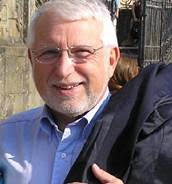
Nicholas Clesceri
Nicholas Clesceri a Professor Emeritus at Rensselaer Polytechnic Institute (RPI) in Civil and Environmental Engineering, where he has published in the Water field. During this tenure, he was the NSF Program Director for Environmental Engineering for a decade. He is also the Chairman of ECI's Conferences Committee.
Scientific Organizing Committee
Kati Bell, Hazen and Sawyer, USA
Nicholas Clesceri, RPI (Emeritus), USA
David Hunkeler, AquaPlusTech, Switzerland
Ralf Kaegi, Eawag, Switzerland
Bernd Nowack, EMPA, Switzerland
Linda Wang, Purdue University, USA
Mark Wiesner, Duke University, USA
2025 Conference Program
2025 Global Water Concerns Workshop
World Water Day 2025
General Information About ECI
Engineering Conferences International (ECI) is a not-for-profit, global engineering conferences program, originally established in 1962 that provides opportunities for the exploration of problems and issues of concern to engineers and scientists from many disciplines.
The format of the conference provides morning and late afternoon or evening sessions in which major presentations are made. Poster sessions will be scheduled for evening discussion as well. Available time is included during the afternoons for ad hoc meetings, informal discussions, and/or recreation. This format is designed to enhance rapport among participants and promote dialogue on the development of the meeting. We believe the conferences have been instrumental in generating ideas and disseminating information to a greater extent than is possible through more conventional forums.
All participants are expected both to attend the entire conference and to contribute actively to the discussions. The recording/photographing of lectures and presentations is forbidden. As ECI conferences take place in an informal atmosphere - casual clothing is the usual attire.
Smoking is prohibited at ECI conferences and conference functions.